


Go back to RESOURCES
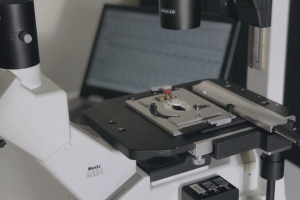
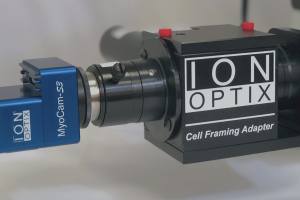
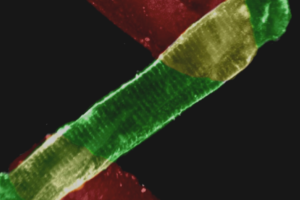
In this recent Journal of Molecular and Cellular Cardiology publication from researchers at Amsterdam UMC, the authors utilized their IonOptix/CytoCypher MultiCell System to characterize contractility function in a novel mouse HCM model. Their results showed that their mouse model was consistent with a common form of HCM present in the Dutch population, both in terms of hypertrophy and contractile dysfunction. Similar to human mutation carriers, while the homozygous mutation showed severe dysfunction, the heterozygous required additional triggers to reveal a disease phenotype. Significantly, impaired cardiomyocyte relaxation due to diastolic stiffness in their HCM model mouse was rescued by detyrosination inhibition and a β-adrenergic agonist, suggesting possible pharmacologic treatments for patients.
If you’re interested in performing similar measurements to characterize function in thousands of isolated cardiomyocytes like the authors of this paper, please let us know.
Hilderink S, Schuldt M, Goebel M, Jansen VJ, Manders E, Moorman S, Dorsch LM, van Steenbeek FG, van der Velden J, Kuster DWD. Characterization of heterozygous and homozygous mouse models with the most common hypertrophic cardiomyopathy mutation MYBPC3c.2373InsG in the Netherlands. J Mol Cell Cardiol. 2023 Dec;185:65-76. doi: 10.1016/j.yjmcc.2023.10.008.